Mediterranean Pasta Salad: Fresh, Bold & Simple
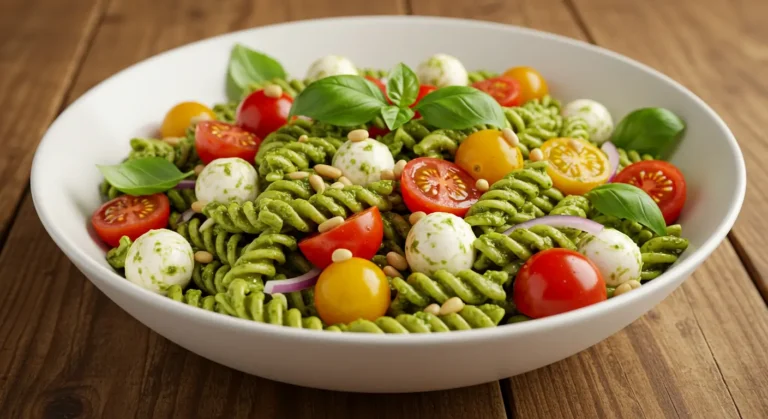
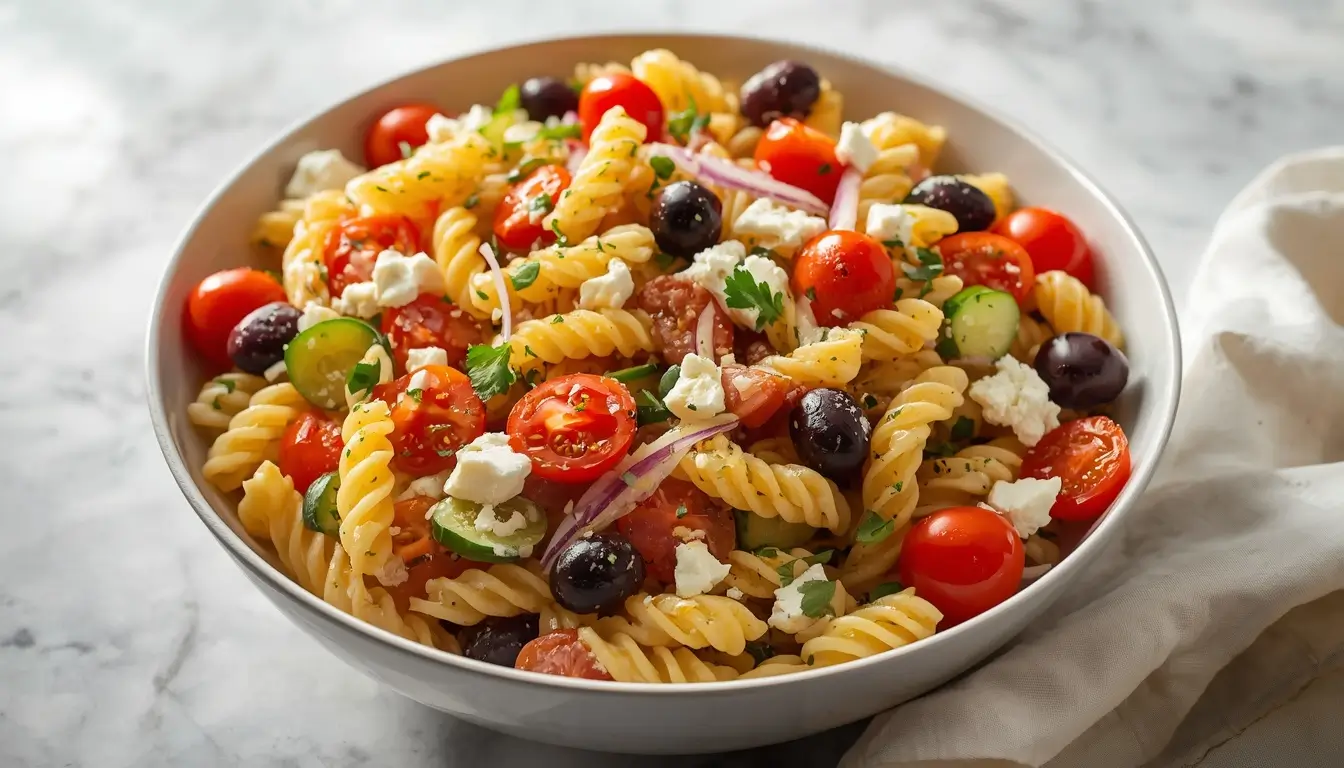
Is it possible that the most satisfying salads are not the lightest ones, but rather the ones that manage to be filling, fresh, and bursting with bold flavor all at once? This Mediterranean pasta salad is exactly that kind of dish — a hearty, vibrant salad that brings together the sun-drenched flavors of the Mediterranean in one generous, crowd-pleasing bowl. With tender pasta, crisp vegetables, briny olives, crumbled feta, and a tangy herb vinaigrette, this Mediterranean pasta salad is the kind of recipe you will return to again and again. It is easy to make, endlessly adaptable, and almost guaranteed to be the first thing to disappear at any table.
Table of Contents
Ingredients
For this Mediterranean pasta salad, you will need:
- 12 oz rotini pasta (or fusilli, farfalle, or penne)
- 1 cup cherry tomatoes, halved
- 1 medium cucumber, diced
- 1/2 cup Kalamata olives, pitted and sliced
- 1/2 cup red onion, thinly sliced
- 1/2 cup roasted red peppers, sliced
- 3/4 cup crumbled feta cheese
- 1/4 cup fresh parsley, roughly chopped
For the dressing:
- 1/3 cup extra virgin olive oil
- 3 tablespoons red wine vinegar
- 1 teaspoon dried oregano
- 1 teaspoon Dijon mustard
- 1 small garlic clove, finely minced
- Salt and black pepper to taste
Timing
This Mediterranean pasta salad requires the following time investment:
- Preparation time: 15 minutes
- Cooking time: 10 to 12 minutes
- Cooling time: 15 minutes
- Total time: approximately 40 to 45 minutes
Step-by-Step Instructions
Step 1: Cook and Cool the Pasta
Bring a large pot of generously salted water to a rolling boil. Add the rotini and cook according to package instructions until al dente — firm to the bite, not soft. Overcooked pasta will turn mushy once dressed, so pull it just before it reaches full tenderness. Drain immediately and rinse under cold running water to stop the cooking process and cool the pasta down quickly. Spread it on a large tray or bowl for a few minutes to ensure no residual heat remains before assembling your Mediterranean pasta salad.
Step 2: Prep the Vegetables
While the pasta cools, prep all your vegetables. Halve the cherry tomatoes, dice the cucumber into even bite-sized chunks, slice the red onion as thinly as possible to avoid overpowering bites, and cut the roasted red peppers into thin strips. Slice the Kalamata olives in half if they are not already. Uniformity in cutting makes a real difference here — it ensures every forkful of this Mediterranean pasta salad has a balanced mix of ingredients and textures rather than one element dominating.
Step 3: Make the Herb Vinaigrette
In a small bowl or jar with a lid, combine the extra virgin olive oil, red wine vinegar, dried oregano, Dijon mustard, and minced garlic. Season with salt and black pepper. Whisk or shake vigorously until fully emulsified. Taste and adjust — if you want more tang, add a splash of vinegar; if it feels sharp, balance it with a tiny pinch of sugar or a little more olive oil. The dressing is the backbone of this Mediterranean pasta salad, so get it right before pouring it over.
Step 4: Assemble and Toss
In a large mixing bowl, combine the cooled pasta, cherry tomatoes, cucumber, red onion, roasted red peppers, and Kalamata olives. Pour the dressing over and toss well to coat every ingredient evenly. Add the crumbled feta and fresh parsley last, folding them in gently so the feta does not completely break down. Taste your Mediterranean pasta salad and adjust the seasoning one final time. Cover and refrigerate for at least 15 minutes before serving — this resting time allows the pasta to absorb the vinaigrette and the flavors to deepen beautifully.
Nutritional Information
For a serving of this Mediterranean pasta salad (1 cup, based on 6 servings):
- Calories: 360 kcal
- Total Fat: 18g
- Saturated Fat: 5g
- Cholesterol: 17mg
- Sodium: 490mg
- Total Carbohydrates: 40g
- Dietary Fiber: 3g
- Total Sugars: 4g
- Protein: 10g
- Calcium: 130mg
- Iron: 2mg
Healthier Alternatives
Transform your Mediterranean pasta salad into a healthier version with these modifications:
- Whole Wheat or Chickpea Pasta: Swap regular rotini for whole wheat or chickpea-based pasta to significantly increase fiber and protein content while keeping the dish just as satisfying.
- Reduce the Feta: Use half the amount of feta and add extra cucumber or roasted red peppers to maintain volume and flavor with less sodium and saturated fat.
- Lighten the Dressing: Cut the olive oil to 3 tablespoons and add 1 tablespoon of lemon juice to maintain brightness with fewer calories.
- Add Leafy Greens: Fold in a handful of baby spinach or arugula just before serving for a nutrient boost without changing the overall character of the salad.
- Boost the Protein: Add a cup of rinsed chickpeas or a handful of grilled shrimp to make this Mediterranean pasta salad a more complete and protein-rich meal.
- Dairy-Free Version: Replace the feta with a plant-based feta alternative or simply omit it and add a handful of toasted pine nuts for a satisfying salty, nutty element.
Serving Suggestions
Elevate your Mediterranean pasta salad experience with these ideas:
- Serve in wide, shallow bowls and drizzle a touch of extra virgin olive oil over the top just before plating for a glossy, restaurant-worthy finish.
- Pair alongside grilled chicken, lemon herb salmon, or falafel for a well-rounded lunch or dinner spread.
- Serve as part of a mezze table with hummus, warm pita, and stuffed grape leaves for an immersive Mediterranean meal experience.
- Scoop it into crisp lettuce cups for a playful, low-carb presentation that works especially well for casual gatherings.
- Serve it straight from the refrigerator on warm days — this salad is wonderfully refreshing when eaten cold and holds up beautifully as a chilled dish.
- Top each portion with a few extra olives, a sprinkle of dried oregano, and a fresh lemon wedge for a vibrant finishing touch.
Common Mistakes to Avoid
Master this Mediterranean pasta salad by avoiding these pitfalls:
- Overcooking the Pasta: Soft, overcooked pasta absorbs too much dressing and loses its structure. Always cook to al dente and rinse with cold water immediately to halt the cooking.
- Dressing Warm Pasta: Adding the vinaigrette to hot pasta causes the oil to separate and the pasta to absorb everything too quickly, leaving the salad dry and unevenly seasoned. Always cool completely first.
- Skipping the Rest Time: Tossing and serving immediately does not give the flavors time to meld. Even 15 minutes in the refrigerator dramatically improves the depth of this Mediterranean pasta salad.
- Using Low-Quality Olives: Canned, pitted black olives lack the briny punch that defines Mediterranean flavor. Seek out proper Kalamata olives — the difference in taste is enormous.
- Over-salting Before Tasting: Feta and olives both carry significant salt. Always taste your Mediterranean pasta salad before adding any additional salt to avoid an overly salty result.
- Cutting Vegetables Unevenly: Large chunks of one ingredient and tiny pieces of another create an unbalanced bite. Aim for consistent, bite-sized pieces throughout for the best texture and flavor distribution.
Storing Tips
Preserve the freshness of your Mediterranean pasta salad with these strategies:
- Refrigerator Storage: Store in an airtight container for up to 4 days. The flavors actually improve overnight as the pasta continues to absorb the dressing.
- Refresh Before Serving: After storing, the pasta may absorb most of the dressing. Add a quick drizzle of olive oil and a splash of red wine vinegar before serving to revive the brightness.
- Keep the Feta Separate: If you are prepping this Mediterranean pasta salad ahead of time, store the crumbled feta separately and fold it in just before serving to keep it fresh and intact.
- Avoid Freezing: The vegetables lose their crunch and the pasta becomes mushy after freezing. This salad is best enjoyed fresh or refrigerated only.
- Meal Prep Tip: Prepare the dressing and chopped vegetables up to 2 days ahead and store them separately. Cook and cool the pasta the day before. Combine everything on the day you plan to serve for the freshest result.
Conclusion
This Mediterranean pasta salad is a fresh, flavorful, and endlessly versatile salad that brings bold Mediterranean ingredients together in one stunning, satisfying bowl. With its vibrant vegetables, creamy feta, tangy olives, and herbaceous vinaigrette, it is a recipe worth making on repeat. Try it and share your experience in the review section below — we would love to hear how yours turned out!
FAQs
Can I make Mediterranean pasta salad the night before? Absolutely — in fact, this Mediterranean pasta salad tastes even better the next day. The pasta absorbs the vinaigrette overnight, deepening the flavor significantly. Just add a splash of olive oil and vinegar before serving to freshen it up.
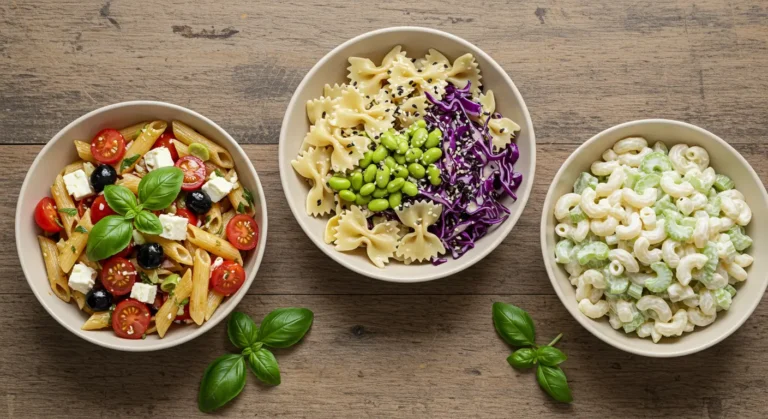
What pasta shape works best for Mediterranean pasta salad? Rotini, fusilli, and farfalle are all excellent choices because their curves and ridges hold onto the dressing and small ingredients beautifully. Avoid long pasta like spaghetti or linguine, which does not mix well with chunky vegetables.
Can I add protein to this Mediterranean pasta salad? Yes, and it makes a wonderful addition. Grilled chicken, canned tuna, cooked shrimp, or chickpeas are all great options that complement the Mediterranean flavor profile without overpowering the other ingredients.
How do I keep the salad from drying out in the fridge? Pasta naturally absorbs liquid over time. The best approach is to reserve a small amount of the dressing separately and toss it in just before serving. A drizzle of fresh olive oil also works perfectly to revive the texture.
Is this Mediterranean pasta salad gluten-free? It can be easily adapted. Simply substitute the regular pasta with your favorite certified gluten-free pasta variety. The rest of the ingredients are naturally gluten-free, so the swap is straightforward and the flavor remains just as vibrant.
Your Feedback Matters
There are no reviews yet. Be the first one to write one.